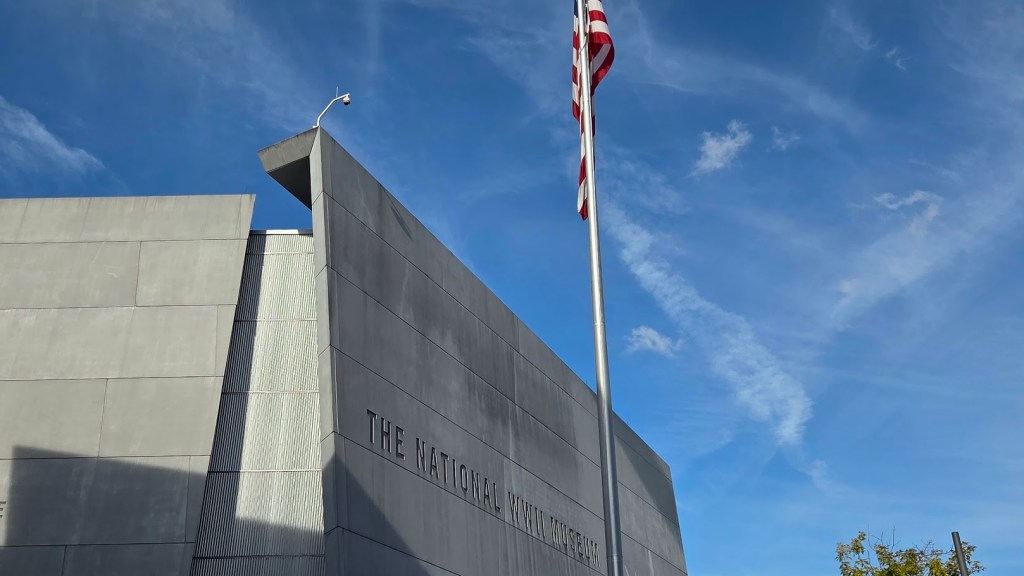
The National WWII Museum in New Orleans has been on my “must-visit” list for some time. When I learned that I would be traveling to “The Big Easy” for a business trip, I began researching the museum in earnest. The Best Value ticket package at $39 was the ideal option, as it also includes the Beyond All Boundaries 4D cinematic experience and the new Freedom Theater movie.
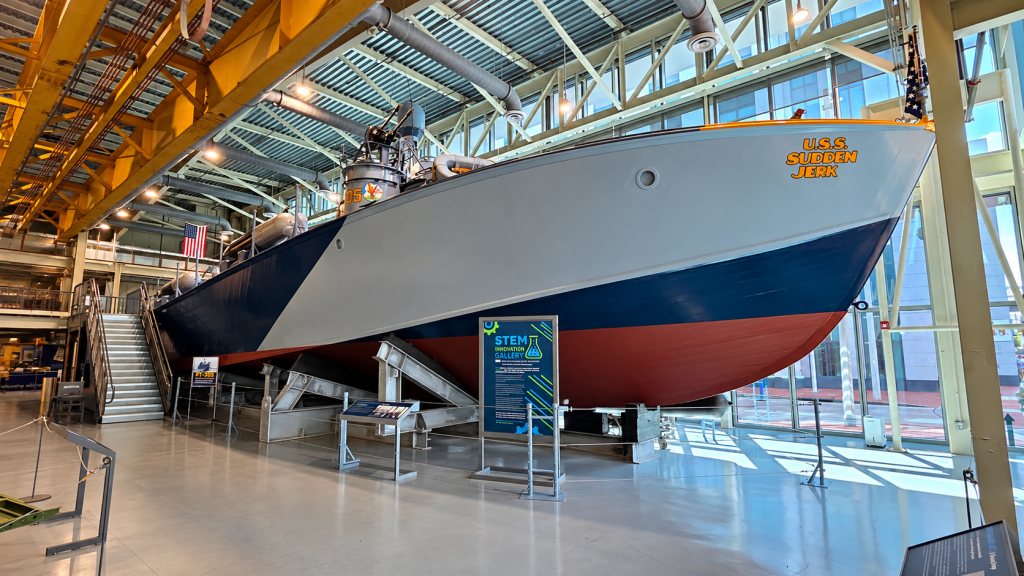
Before arriving at the museum last Saturday, I wondered how a WWII museum came to be in New Orleans. When I learned that Andrew Higgins, who built the famed Higgins boat in the city, that’s when it all made sense. The museum’s Restoration Pavilion has a fully restored PT-305 Patrol Torpedo Boat on display.
Because the museum is arranged by pavilions, I suggest downloading the campus map before you arrive so you can study what the museum offers. The museum is a vast complex, and its exhibitions are highly detailed.
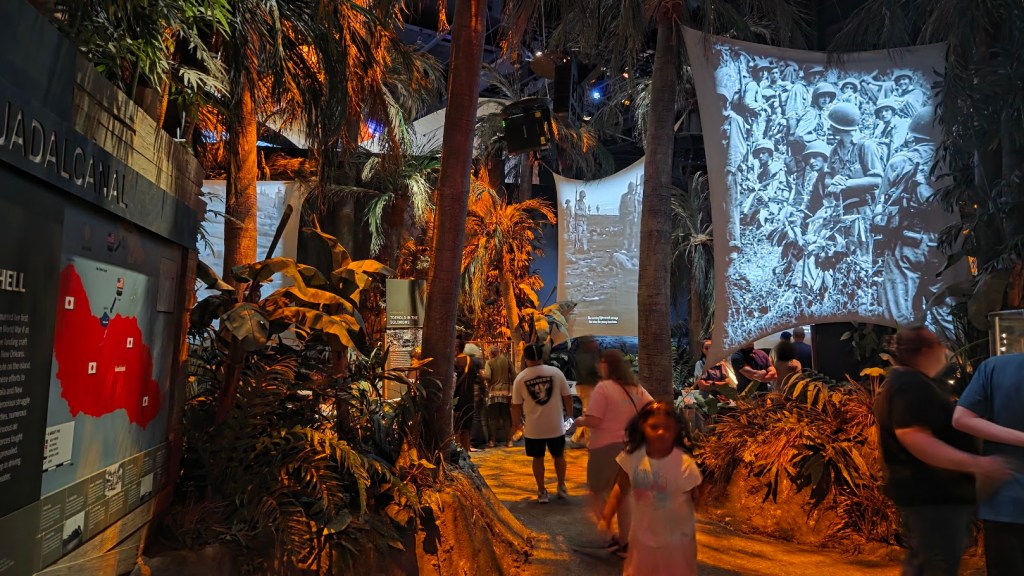
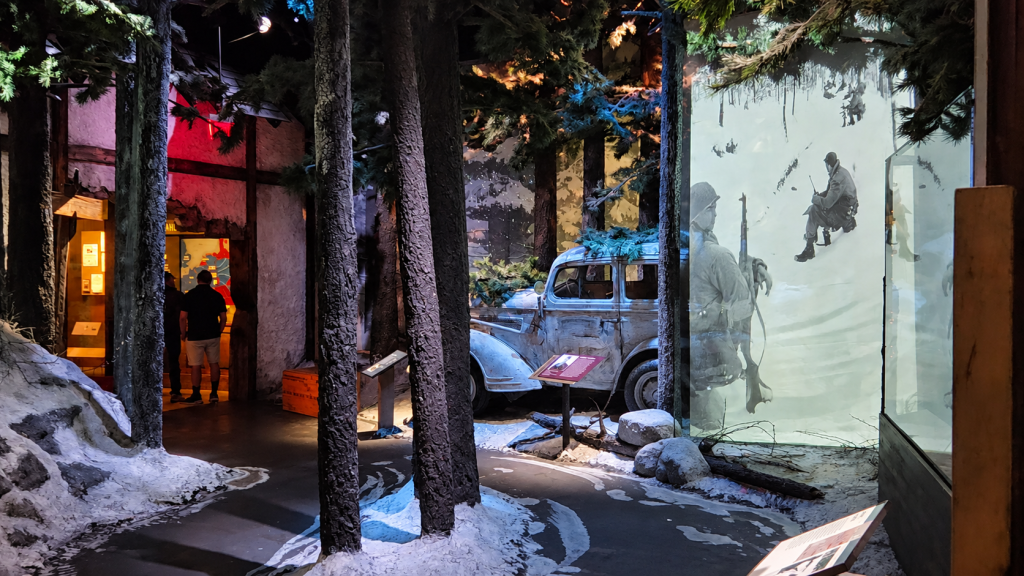
The Campaigns of Courage in Building 3 takes visitors through both the European and Pacific theaters of the war. From the time you enter until you exit, you are fully immersed in the complexities of these engagements. While I’m fairly well versed in the European conflict, learning about activities in the Pacific was particularly moving. In Europe, the battles were primarily land-based or close enough to “civilization” during times of leave. But in the Pacific, it wasn’t just a battle on the water; it was intense island-by-island fighting with no reprieve until the battle was won. The carnage in the battles of Iwo Jima and Okinawa is almost impossible to fathom or comprehend. These were truly campaigns of courage and valor.
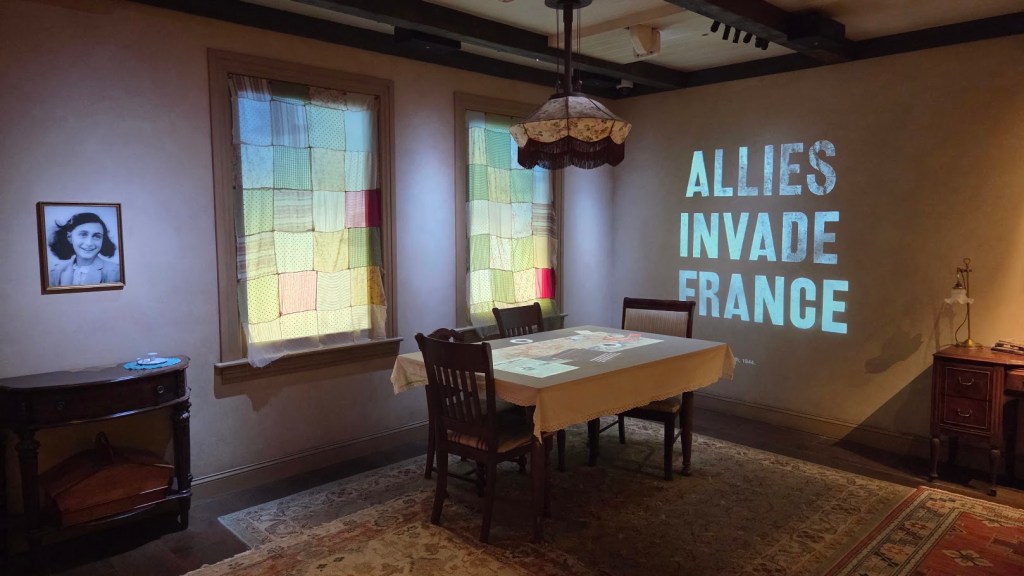
Two particularly moving exhibits for me were the Anne Frank and Monuments Men exhibits. Featured in the Liberation Pavilion, the Anne Frank exhibit immerses the visitor in what the Frank family experienced through the writings of diarist Anne Frank. The exhibit features a recreation of their hiding place in a secret annex in Amsterdam with a narration of the words Frank wrote in her diary, from the intense hardship she and the family experienced to the hope of liberation when she learned the Allies landed in France (D-Day). But that liberation never happened, as the Franks and others were arrested on August 4, 1944. Days later, Anne’s diary was found on the floor of the annex and published in 1950.
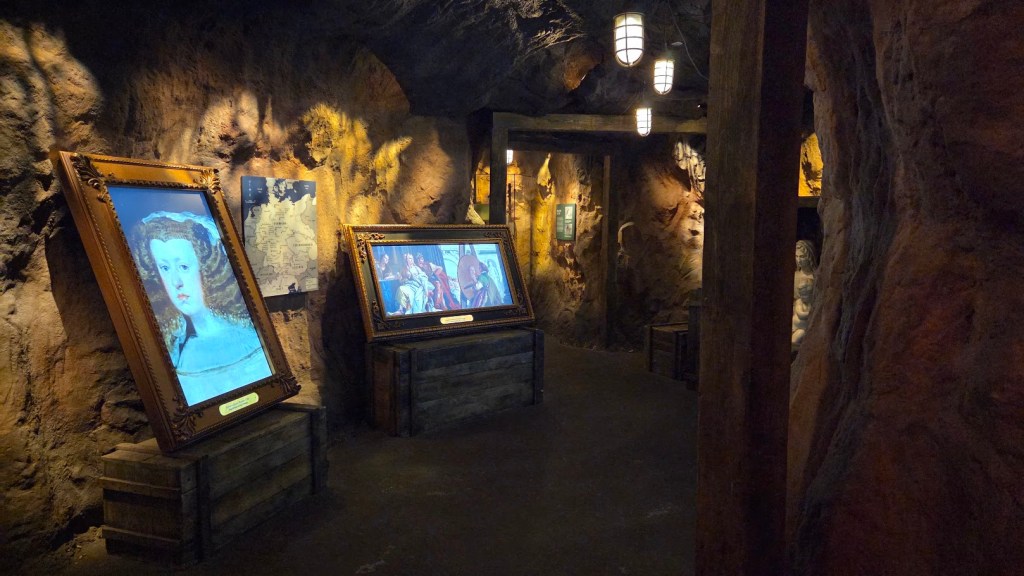
In the same pavilion is the Monuments Men exhibition that recreates the Altaussee salt mine in Austria where stolen artwork was stored by the Nazis. Throughout recorded time, artwork in all its forms represents society, from Ancient Rome to contemporary mixed media. The plundering of European artwork by Nazi Germany during WWII didn’t just represent valuable and irreplaceable artistic creations, but an erasure of time. Thankfully, the Monuments Men restored time by returning these works of art. But tens of thousands of artworks remain missing. Until each piece is returned, time has not been fully restored.
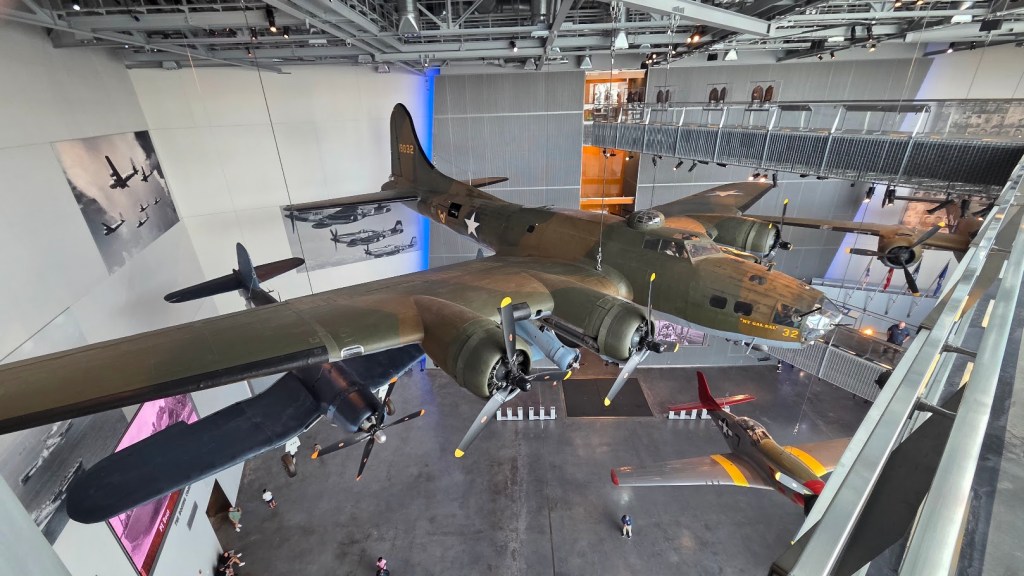
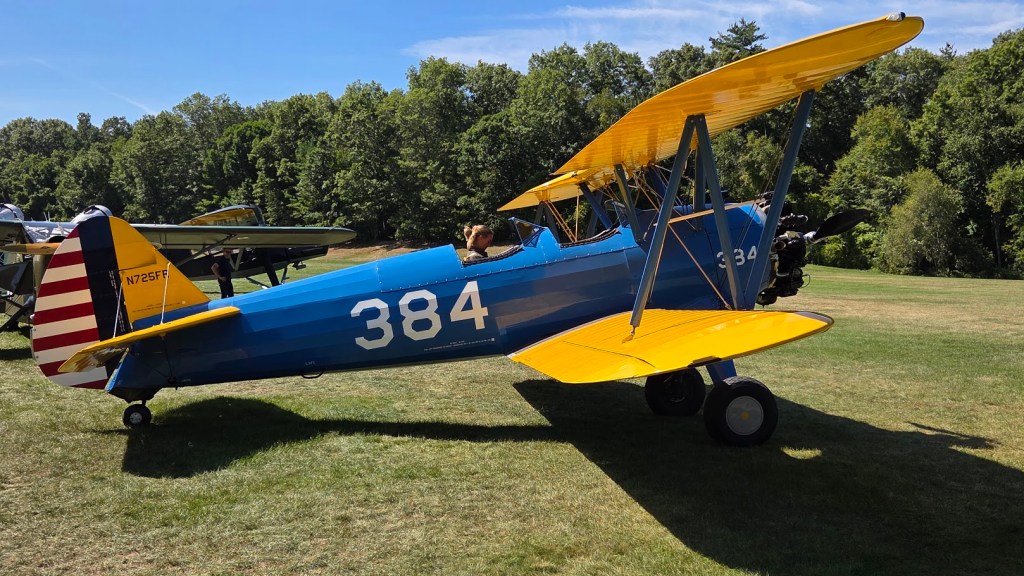
Finally, as an aviation enthusiast, I found the US Freedom Pavilion: The Boeing Center particularly engaging, with WWII airplanes suspended in the sky and up-close catwalks.


Leave a comment