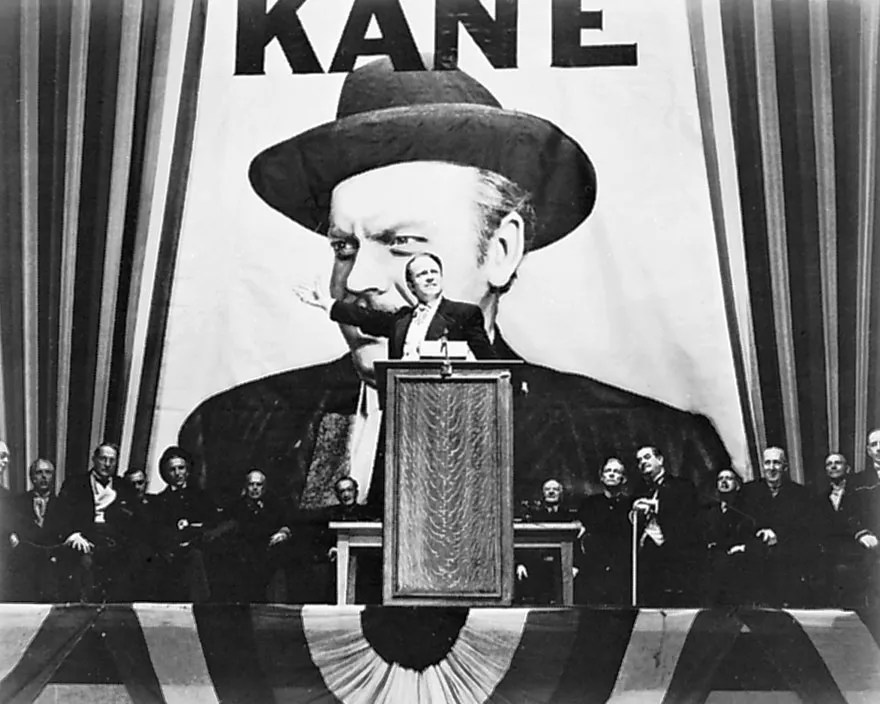
Some films must be experienced as they were intended – in a theater. Gone With the Wind and Ben Hur are two of them. Seeing both of those films come to life was truly a magical experience. While so many of us sit comfortably in our living rooms with our oversized flat-screen TVs, it simply doesn’t compare to the silver-screen experience. It’s the larger-than-life projection that immerses you in another world.
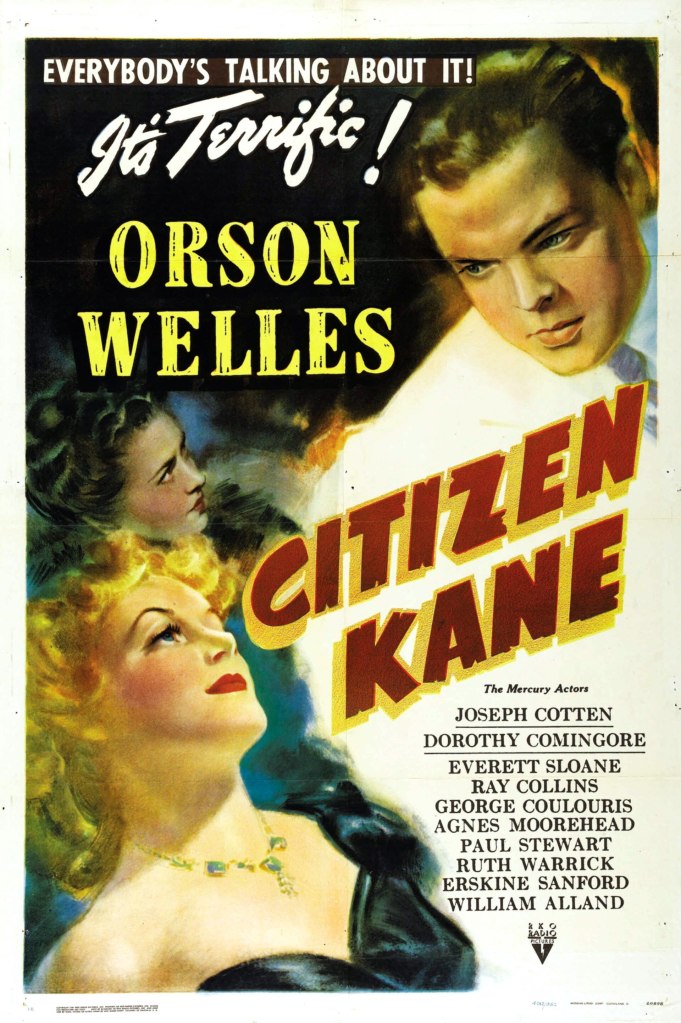
A few weeks ago, I received an email from Fathom Entertainment. They curate films and events and broadcast them in theaters (it’s through Fathom that I saw Gone With the Wind and Ben Hur). When they announced they were bringing back the acclaimed Orson Welles’ Citizen Kane to theaters for a few days, I enthusiastically bought my ticket. Although I’ve seen Citizen Kane a couple of times, I had yet to experience it in a theater. I’m glad I did.
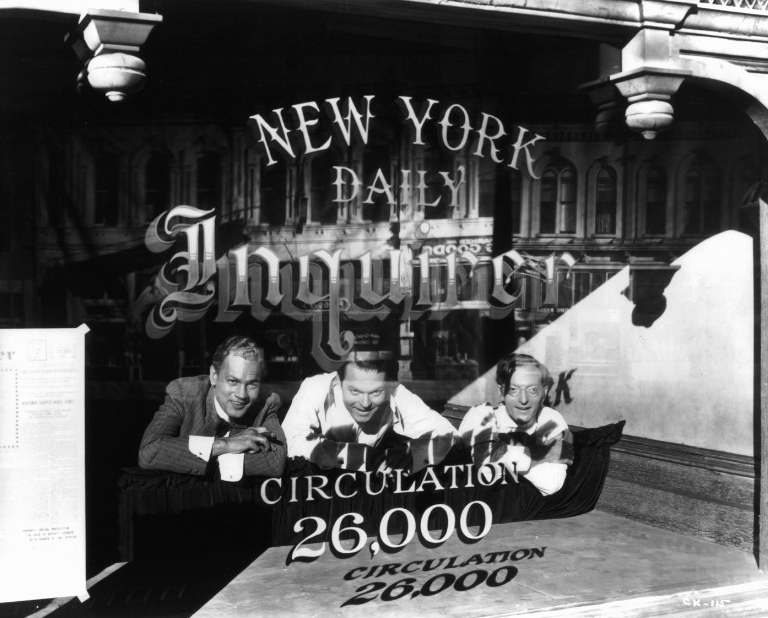
When Citizen Kane was released in 1941, it faced the wrath of media tycoon William Randolph Hearst, who, depending on who you talk to, saw the film as a mirror of himself. Owing to Hearst’s contempt for the project, he forbade any of his newspapers from reporting on the film (and people think social media is influential!), so Kane was not a box office success, rather the opposite. But time has been good to Citizen Kane.
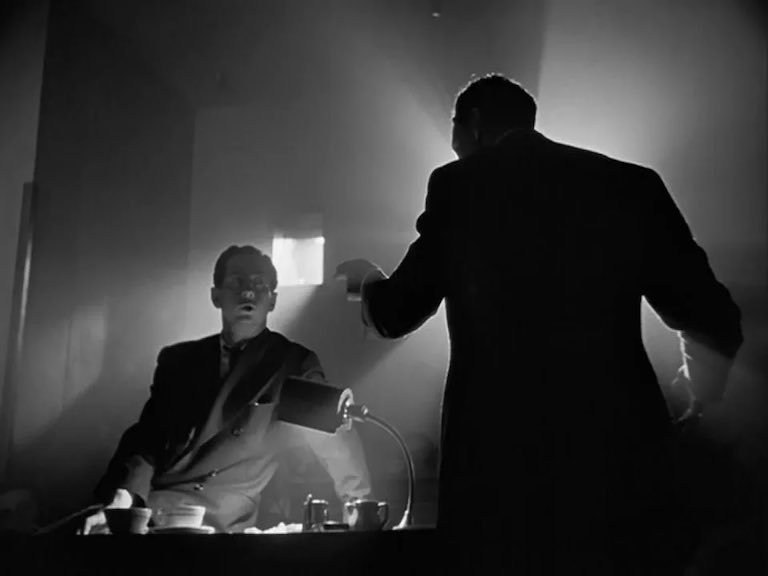
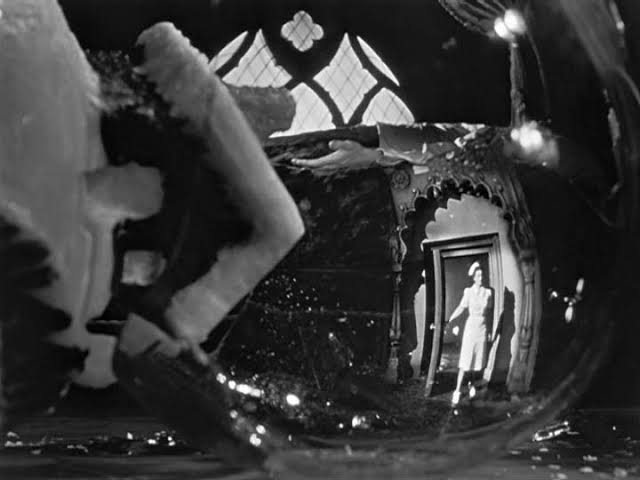
Since its release, it has arguably become one of the greatest films ever made. Although the story itself is well balanced, it’s the visual production that, in my view, gives Citizen Kane its staying power. First, Welles deployed a variety of lighting techniques he used in theater productions, which Hollywood films at the time had never used. In addition, the film’s genius lies in the innovative camera angles that brought Kane into a light other films at the time didn’t or simply couldn’t achieve. Had Citizen Kane been produced traditionally, I don’t think we would be talking about it like this 80-plus years after its release.
Of course, it was the actors who breathed life into Citizen Kane. Welles brought many of them over from his repertory Mercury Theatre company. With talent like Joseph Cotton, Agnes Moorehead, Ray Collins, and Erskine Sanford performing opposite Welles, the story of Citizen Kane was guaranteed to be entertaining. Although Fathom Entertainment may bring Kane back to theaters, the film is available to stream on numerous platforms.
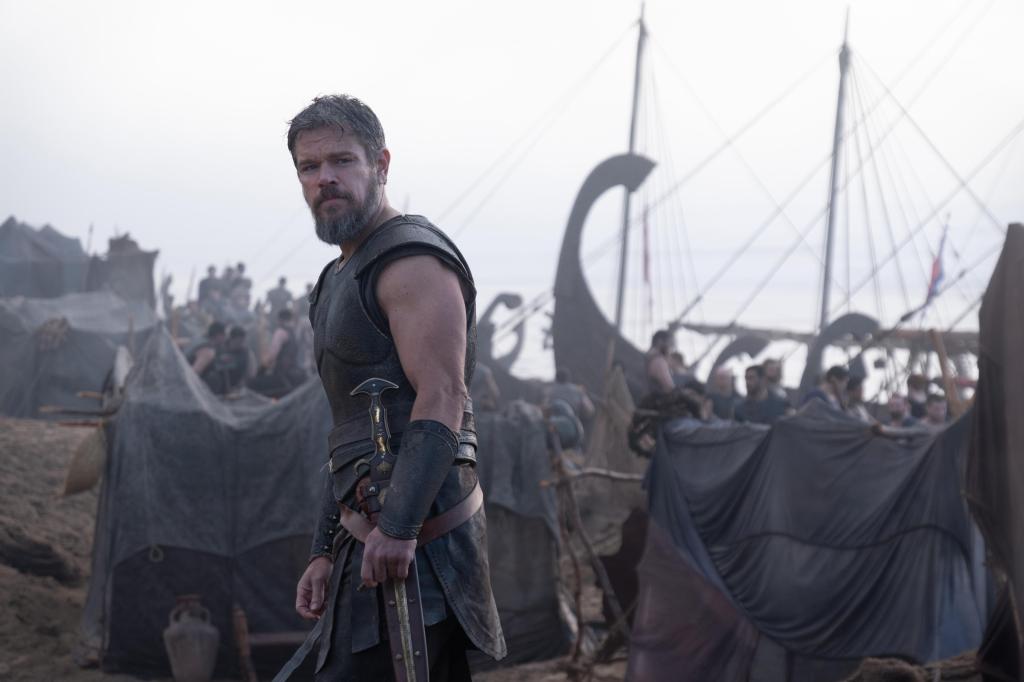
Speaking of films that need to be seen in a theater, next weekend I’ll be seeing The Odyssey in IMAX. Much has been said about Christopher Nolan’s latest film, but I’ll reserve my commentary until after I’ve seen it. One thing we can always count on with Nolan is that he produces memorable films. Inception and Interstellar are two of my favorites. I know that, whatever I may or may not think about the story, it will be visually striking. Although I’ll confess, the sound mixing in Nolan’s films leaves much to be desired. As I understand it, he doesn’t like ADR (additional dialogue recording). As a filmmaker, I don’t care for it either, as I believe emotion is lost when you ask an actor to repeat dialogue after a film is made. But sometimes you simply must, because you can’t hear it.
Yesterday I came across a story titled How much creative debt are you carrying? The piece focused on creative writing and how much of it we put on hold because of a lack of time. While many of us creatives have a variety of projects in different phases of completion, I’ve always tried to set aside time each week to write or think creatively. Case in point, I post to this blog every other week. For social media aligned with my film projects, I post once a week. Like work and the gym, I schedule it. It’s too easy to say, “I’ll post tomorrow instead,” which turns into next week and next month. Being creative is a commitment like anything else. You don’t have to do it, but if you don’t, the price is that word nobody likes to hear—regret.
One story I’ve been making notes on for some time now and will probably start writing in the fall is the revitalized First World screenplay. With First Signal produced and the next two stories, First Report and First Launch, written, First World caps the near conclusion of the First World Universe. As a creative, I want to get it right, not rushed.
Next word.






Leave a Reply