
For those of us who produce content, whether it be writing books or producing films, we invariably have to deal with the litany of scores on such websites as IMDb, Amazon, and Rotten Tomatoes. Yet, as we have seen over the last couple of years, these sites can easily be manipulated to either condemn or promote. When I asked ChatGPT the following prompt, “Can the film ratings on IMDb, Amazon, and Rotten Tomatoes be manipulated by bots? If yes, can you please cite some articles or papers?” I was simply stunned by what it returned.
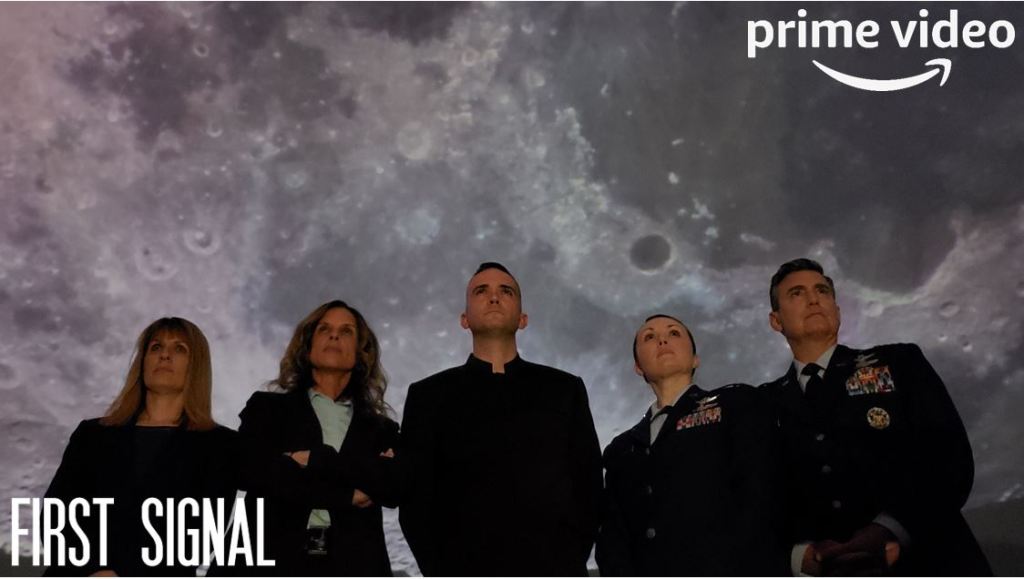
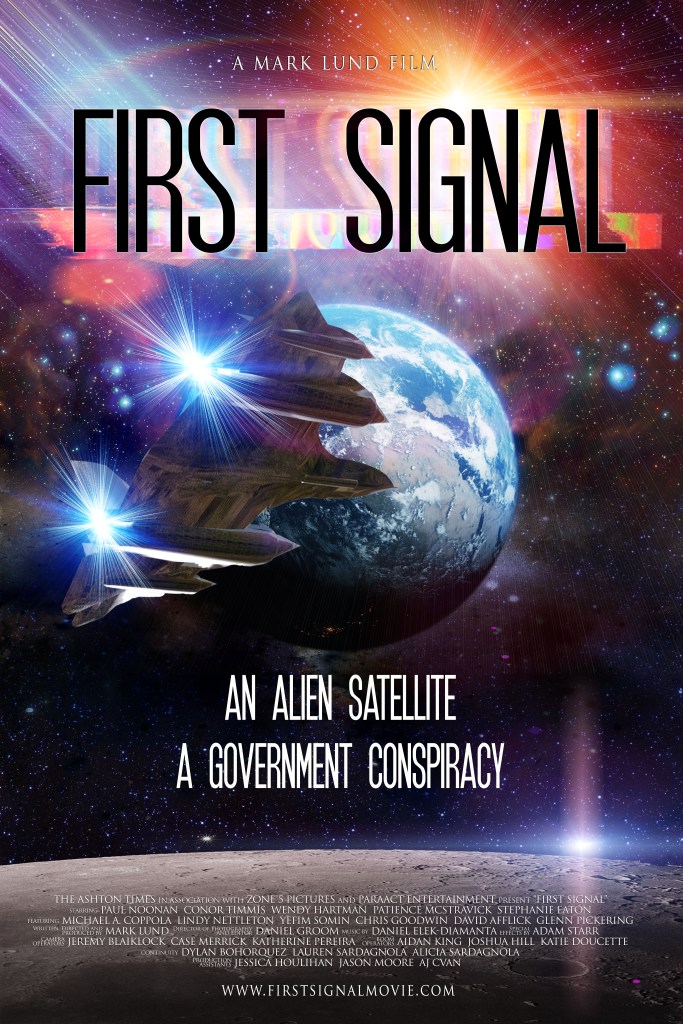
A Vulture investigation revealed that studios manipulate scores on Rotten Tomatoes. On IMDb, the site falls prey to “vote brigading,” which is essentially a coordinated campaign to skew ratings. Then there is IMDb’s own “weighted” score program to keep scores “reliable.” Despite my requests to IMDb to explain a weighted score versus what was actually voted for, their failure to provide transparency on this issue is the number one reason why nobody should rely on IMDb to judge a movie. Take, for example, my sci-fi film First Signal, it has a “weighted” score of 3.3 but an “unweighted” score of 8.4. The unweighted score is what people actually clicked for a rating, yet IMDb insists on a layer of mystery that stretches the credibility of any rating on that platform’s end.
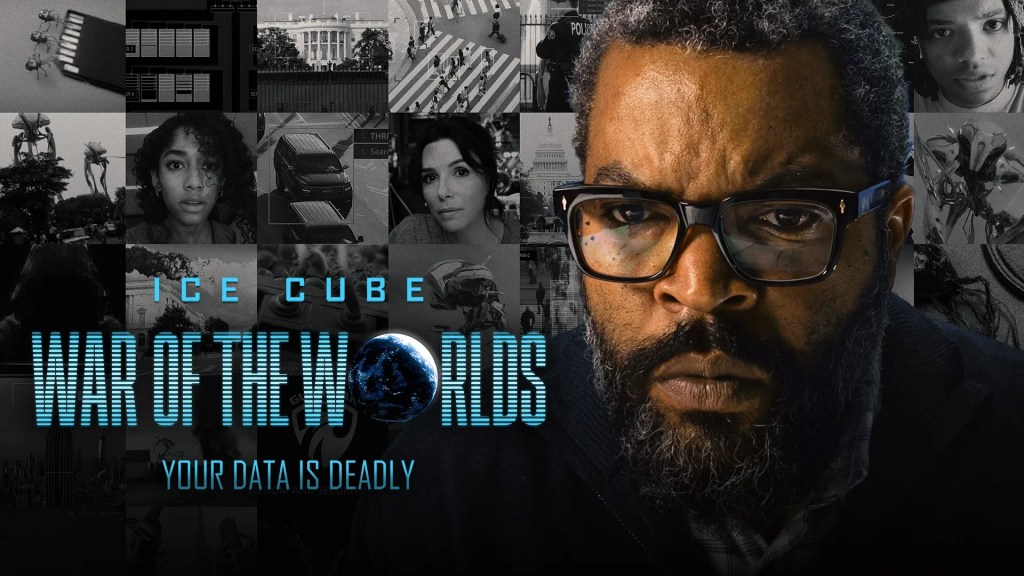
I’m writing about this topic due to a series of stories published this past week regarding the latest version of a War of the Worlds movie released on Amazon. When I saw a headline that stated, “How did a new War of the Worlds movie get a 0% critical rating” and “Prime Video’s New Sci-Fi Thriller With a 10% RT Audience Score Instantly Becomes Streaming Hit,” I had to dig into it.
It appears that while the film may not be the best iteration of this H.G. Wells classic (I thought the trailer was great), there did appear to be a concerted negative online push against it. I saw the same thing with First Signal (to say sci-fi brings out extremists would be an understatement). But no sooner did the negative push begin on War of the Worlds than general audiences started to watch the film in massive numbers and had it shoot up in the charts. Again, I saw this with First Signal when it trended on IMDb. What does this all mean? First, financially, it means success. Second, it also means that the naysayers, by creating a negative vortex, propelled it so high in popularity that it is now part of online awareness and discussion that is forever locked on the film. Remember, every time a movie is watched, it earns money.
Indeed, millions vote honestly on those sites. Whether it be a book or a film, every project has its supporters and detractors. All we ask as content creators is that any rating and review system is fair, equitable, and transparent. For if it isn’t, the credibility of the site is lost, and readers and viewers will simply look elsewhere to decide how to spend their valuable time and dollars.
In closing, there is one thing that matters to all audiences—great artwork. While there’s a saying, “Don’t judge a book by its cover,” I promise a great-looking cover will be the reason why someone clicks to buy or learn more. The same thing holds for a film. If you don’t have an eye-popping poster, along with stellar key art and an enticing trailer, viewers will just move on to the next thumbnail.
Be creative.


 The Ashton Times
Leave a comment