
A couple of weeks ago I finished the first edit on SOS United States. I was relatively happy with it and let it sit for five days while I focused on some other work. After running the manuscript for spelling and grammar, I started to reread the document from the beginning. I must have instinctively known I was going to do another round of edits before bringing in outside readers and editors, as I certainly found things that needed adjustment. Needless to say, I’m glad I followed my instincts!
The one thing I’ve known throughout my career, is you can never have enough edits. But self-editing is a different thing entirely. First, as the writer we are obviously close to the work. Second, because of this closeness we can fail to see things that will need to be fixed, clarified, etc. etc. I recently read that a writer should do at least two self-editing rounds. This MasterClass article summed it up, “Writers should do at least two self-editing rounds of their whole book: the first time to edit for big story elements like story structure and narrative arcs, the second time to edit the details, like typos and punctuation.”
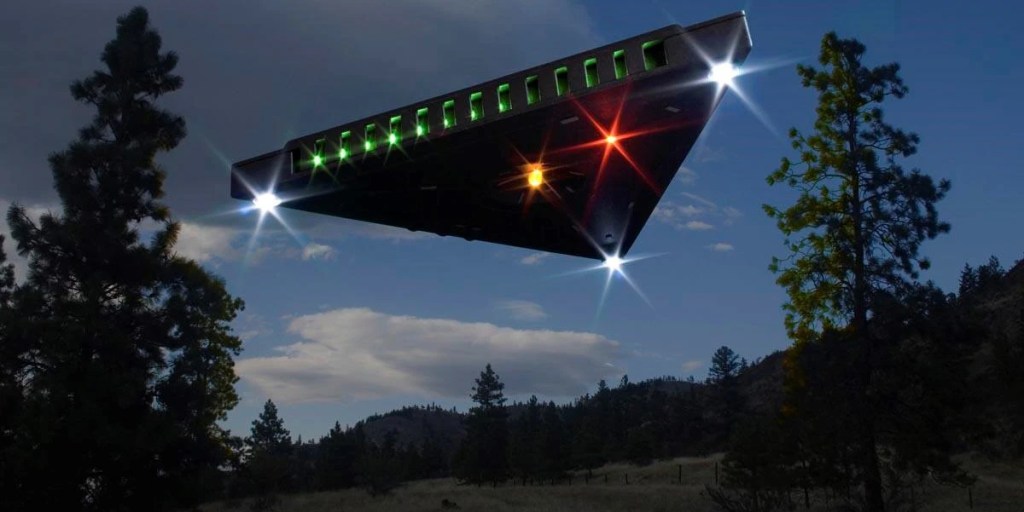
I believe the same thing holds true for film editing. All my films have been edited by others. When I complete a film, the editing is done in 10-15 minute blocks. I generally tell my editors to follow the script when constructing the film. After the first draft is complete, I review the block, send over my notes and the process continues until we are both happy with the final product. That being said, I do know two filmmakers that are brilliant at editing their own projects.
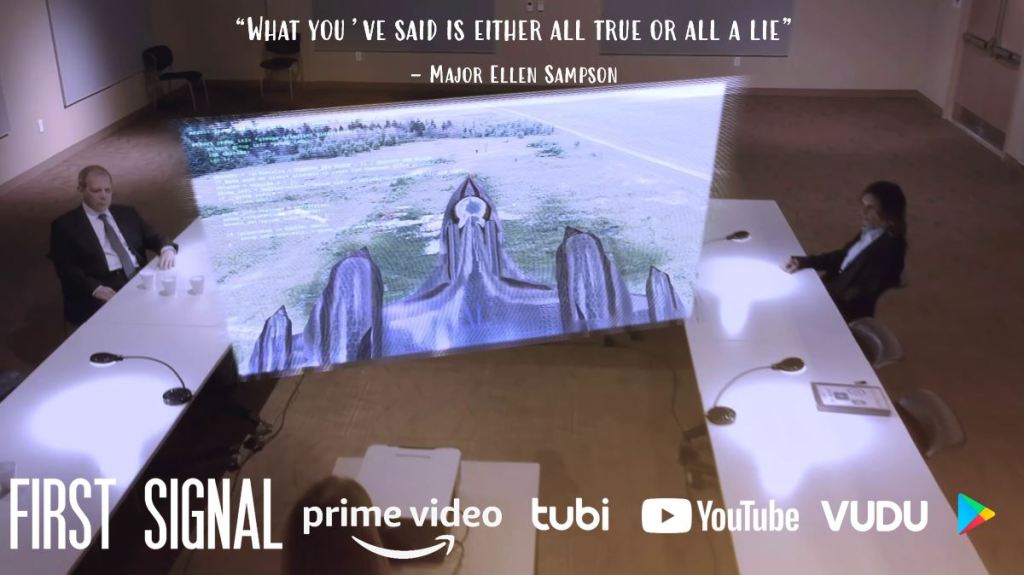
As for my next film project, I’m asked weekly what that will be. The simple answer—I don’t know. It will either be First Report, the sequel to First Signal, or SOS United States. While each will cost about the same to produce, First Report, owing to its 150-page screenplay, is essentially two feature films (part one and part two). SOS United States at 120 pages, is a solid feature that would clock in at over two hours. I think, like every other film I’ve produced, it will come down to timing and “how the stars are aligning.” I know the astrological part may sound a bit ridiculous, but I promise making a feature film is all about timing and things working out cosmically, because when the production train leaves the station, there’s no going back unless you want to lose your entire investment of money and time.
Speaking of investment, there is one platform in the industry that holds a near monopoly and that is IMDb. As they did for the Amazon series Rings of Power, they are now doing the same with the film The Little Mermaid – publicly admitting that they are altering their review system and ratings to make a property look more popular than it is. If this isn’t an unfair business practice in clear violation of federal law around antitrust and other statutes, I don’t know what is. It’s bad enough when consumers and industry discover they’ve been duped, it’s another when a company (in this case Amazon/IMDb) publicly admits it. I truly believe it’s time for the Federal Trade Commission and other government bodies to investigate their practices, because those practices are having a direct negative financial impact on the entertainment industry and consumers.


On a much more festive note, the American Heritage Museum produced their first event of the season with their Tank Demonstration Weekend. The event featured a parade of WWII era tanks including the debut of a fully restored M36 Jackson tank destroyer. For more information, check out the museum’s website and social media pages at this link.
Next page.
 The Ashton Times
Leave a comment