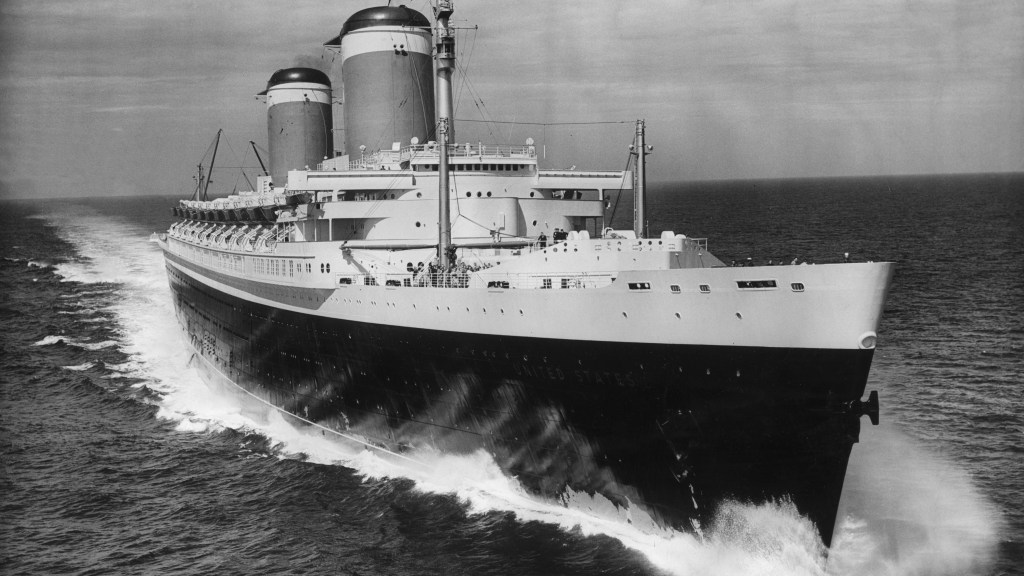
I use artificial intelligence. Not to write original work, but to check my work. In the absence of a freelance editor, there have been many times I’ve needed to have my work checked. While I have a variety of friends and colleagues who I often go to for opinions on my creative endeavors, I don’t expect them to be editors (although most have great eyes for copy!) or conduct an analysis of a completed manuscript.
As I am now in the editing phase of SOS United States, I have started receiving various viewpoints, opinions, and comments from editorial sources and vendors that I may use. Just as in the entertainment industry when it comes to screenplays, it is sometimes very hard to get a clear unbiased opinion of a creative work.

Years ago, I retained an editor for a novella I wrote in The First World Universe. I couldn’t understand why he loathed the entire concept. Then I learned that he was obsessed with a particular sci-fi franchise and couldn’t see the point of anything else in the genre. I learned from that experience to always carefully vet those who are going to review my work. But in the case of SOS United States, I just needed to have the manuscript reviewed dispassionately for plot, narrative beats, pacing, and other critical components before submitting to editors to work their magic before publication.
To get an unbiased point of view at this stage, I discovered Authors A.I. for an initial evaluation. While artificial intelligence will never (or should never) replace the wonders of humans, I was able to use this service for an evaluation of where the manuscript currently sits. Now when I engage an editor, I can at least be conversational on certain points. I was delighted to learn that the system created the following chart of book comps. As one of these comps has been in my query letter from the start, I think I’m on the right track!

One of the central tenets of the recently settled actors’ strike was the use of artificial intelligence on replicating actors. Their point was certainly a valid one and needed to be taken seriously and properly addressed. However, we know that actor duplication has been achieved by CGI well before A.I. entered the creative conversation. Even when First World was produced in 2007, we duplicated the actors to create a larger attendance at an equine event. From what I read, the actors’ union was primarily concerned about digital doubles, but in the end A.I. will still be part of the industry—simply put, the technology is here, how it’s used by the industry and consumed by audiences will be dictated by countless market forces.

For well over a century, the entertainment, publishing and other creative industries have long grappled with the advancements in technology. From silent films to “talkies” from the silver screen to TV from VHS to streaming, but there’s no question that A.I. is a game changer. It’s how we play the game that matters.
Next tech.

 The Ashton Times
Leave a comment