
Last week I received notice that First Launch, the sequel to First Signal, was an Official Selection of The Flight Deck Film Festival. When I decided to submit First Launch into the festival circuit, it was my hope that festivals would keep the “First World Universe” in conversation. I use the word conversation as it is every filmmakers goal to get their project recognized. As recognition can lead to production.
But as the road to production can be a long one, I believe it’s important to keep a project in the light rather than the shadows. With 15 wins, 1 honorable mention, 1 finalist position, and 6 official selections, I could not be more pleased with First Launch’s results to date. But one does not rest on their literal laurels, one does continue to promote and pitch.

As in the world of publishing, filmmakers are always promoting and pitching. Whether it be to investors, distributors, actors, or crew, we know it’s our job to present our projects in the best possible light so they are properly considered. One area of our projects that is our calling card is the cover of a book or the poster of a film. It is usually the first piece of artwork someone associates with our projects (in the case of the novelization of SOS United States, I created a concept trailer).
I’ve mentioned in earlier posts, that the poster for First Launch was exclusively created using AI. I was prompted to bring this up again when I read an article in The Wall Street Journal this morning about Artificial Intelligence and its “killing” of jobs.
Yes, I can certainly understand the plight of the concept artists being “replaced” by AI, and that only in certain situations are the artists brought into a project to adjust the art that AI creates. In the end, AI is just that—artificial. I don’t believe, at least now, that it could ever fully replace a human’s intuitiveness, vision, and capability. I simply view AI as a new technology, one that can be very useful if used smartly.

This jump in technology reminded me of my days in publishing when that industry went from computer-to-film to computer-to-plate. As a publisher, I no longer needed to spend thousands of dollars on film negatives. Rather the money saved from that process was reinvested in the business. Those film vendors either had to modernize with the times or face closure. To quote the movie Patterns, “Stanley Steamers were good cars and grandfather clocks were good clocks, but you can’t run them in competition today.”
But while modernization has its place, many of us look back at the history of the entertainment, publishing, and automotive industries to reflect on the quality of work that was produced during those times (Gone with the Wind!). Technology that still holds up today.
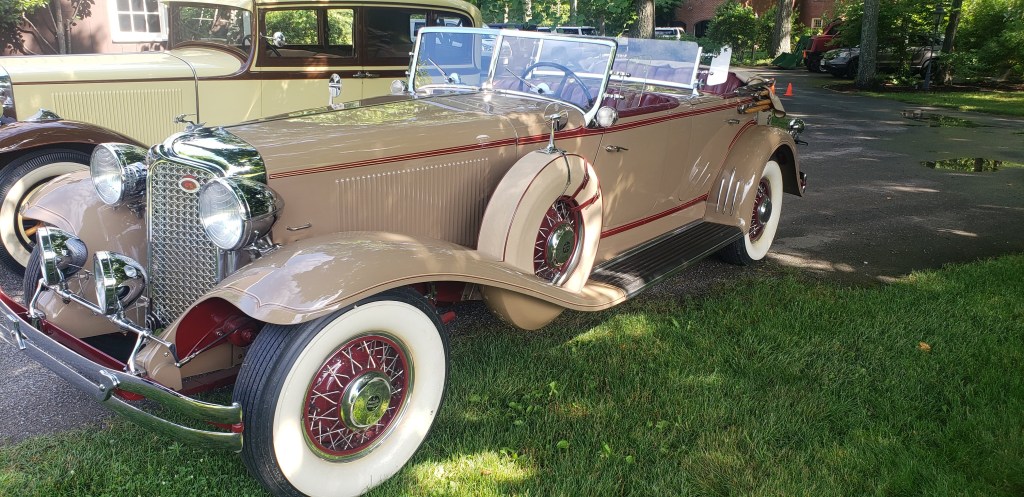
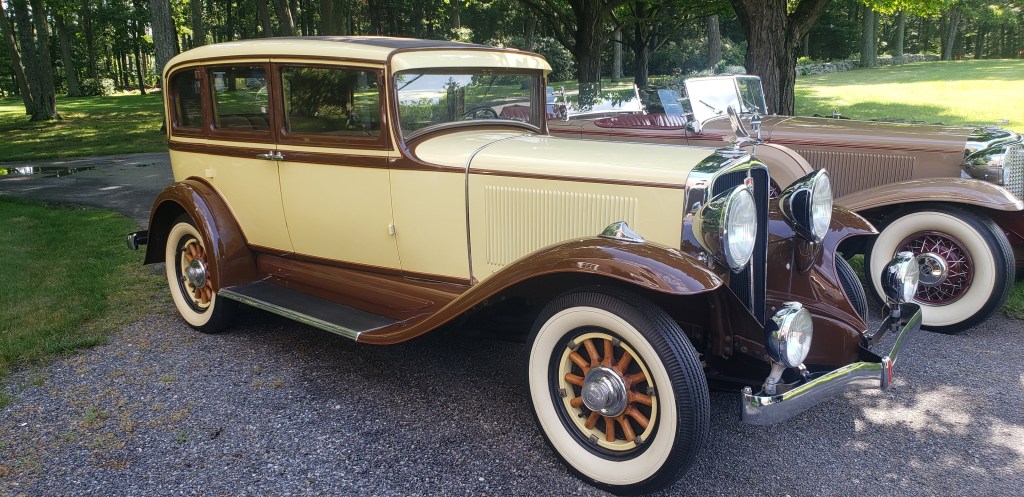
Last week I attended the “American Elegance” event at the American Heritage Museum where vintage automobiles were featured. While I love the technology in modern cars, I’ll take a 1937 Phaeton any day of the week!
Next Tech



 The Ashton Times
Leave a comment