
After I completed the third draft of the novelization of SOS United States, I felt pretty satisfied with it. However, there was still something bothering me about the last six or so pages. I always sensed there was a missing element, some extra “Oh my God” moment. Since I wasn’t under a deadline to an agent or publisher, I followed the advice of a writer I admire—I let the manuscript rest. After a few weeks, the missing piece came to me.
I remember the same thing happened to me when I wrote In Mind We Trust, the sequel to Justice Is Mind. There was a crucial piece of technology that had to get from the United States to Russia, secretly and fairly quickly. It couldn’t go by human courier or by any of the overnight services. Finally, when I was at the gym, of all places, it came to me.

Whether we write books or screenplays, we all encounter a creative valley. Some call it writer’s block, but that term is vastly overused, as there is nothing blocking us from writing. Rather, we aren’t writing up to our full creative potential. This is when a bit of a “mental” rest is needed to restore the creative process and finish what we’ve started. My remedy? I usually do something physical like going for a hike, mowing the lawn, or, yes, going to the gym. Since I always have my cell phone with me, if an idea comes to mind, I send myself a note. Now that this draft is done, it’s either about finding a publisher or self-publishing. Thankfully, in today’s world, there are countless ways to get a book to market.
In these creative industries, having contacts you can reach out to for advice and assistance with various matters that arise from time to time is important. In the independent film world, distribution is always a primary concern for filmmakers. While today’s technology makes it easier than ever to make a film, the days when you could simply upload it to Amazon and rely on that platform to generate traffic are over. Ultimately, you need a distributor and a marketing plan to attract viewers. Regarding distribution, I highly recommend both FilmHub and Indie Rights.
But as one can imagine, the film industry (like others) has a variety of experts who are better at promoting themselves rather than offering solid advice that is still relevant in the 21st century. A couple of weeks ago, I was watching a panel of film distributors discuss their “secrets” of success in film distribution. While a couple did share some pearls of wisdom, most were mainly aiming to either charge a fee for services or have filmmakers submit their projects for distribution consideration.
One of them was so poor at public speaking that I almost left the meeting (so easy to do on Zoom – that red ‘Leave’ button!). But two of the panelists, while lamenting how deep their expertise was, failed on two major fronts: 1) that paid social media advertising doesn’t work for one-time screenings (it does), and 2) they were oblivious to how search is being taken over by AI (just go to Google and search for something). Please don’t promote your expertise in SEO if you don’t know what AI is doing in that space. My point is simple: as filmmakers, we audition actors and crew. The same holds true for the business of filmmaking and publishing. Ultimately, research goes a long way.
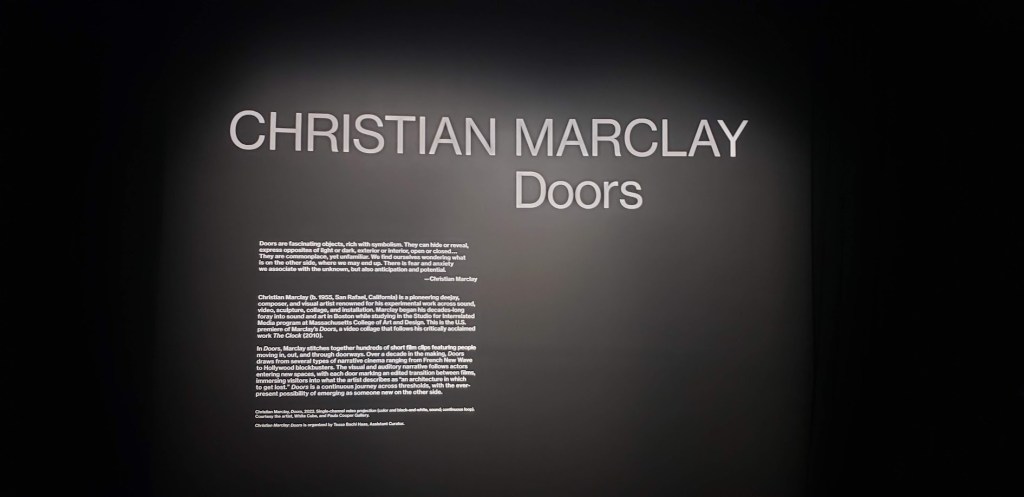
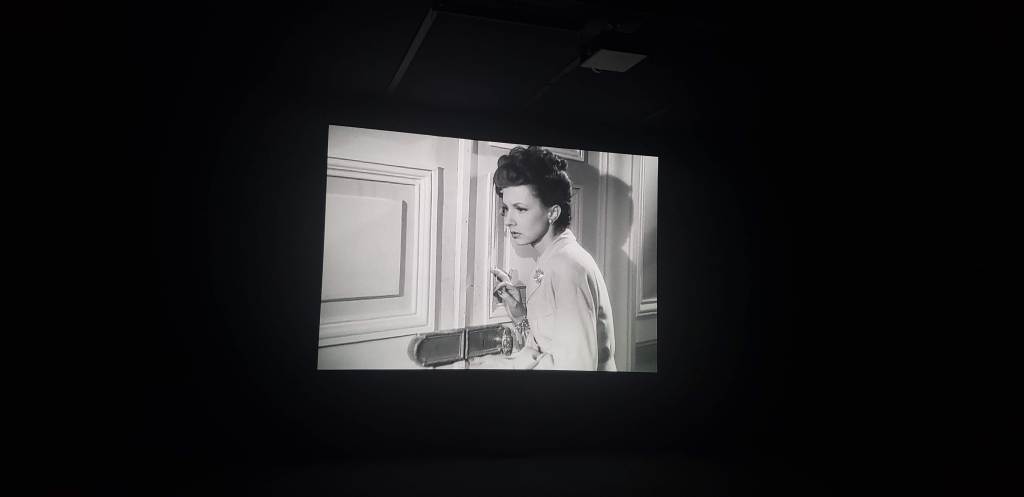
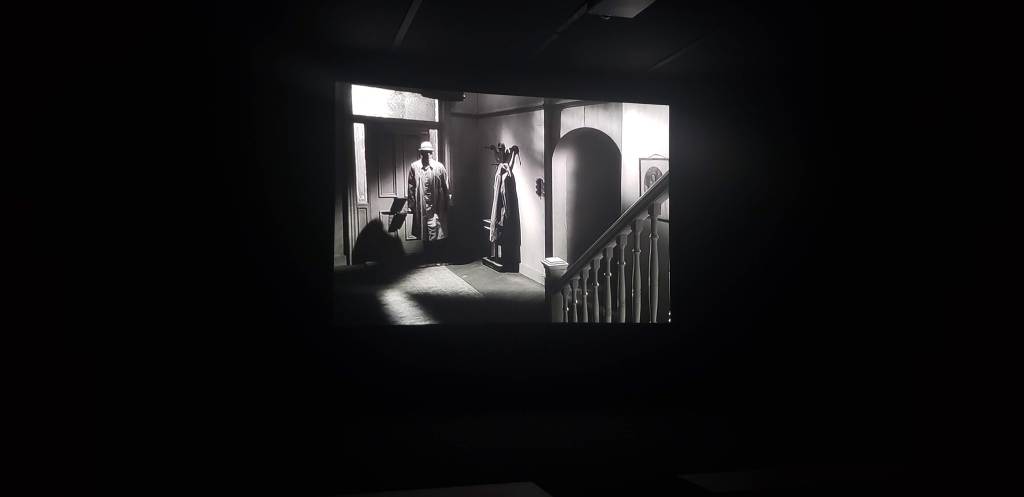
Speaking of inspiration, I had the chance to visit the Institute of Contemporary Art in Boston for the first time this weekend. The exhibitions were not only thought-provoking but also highly engaging. Christian Marclay’s film “Doors” and Sara Cwynar’s “Alphabet” are must-sees.



 The Ashton Times
Leave a comment